How to Decide on the Standard 3-Course Meal for a Wedding Catering
How to decide on the standard 3-course meal for a wedding catering?
- Establish the pacing and flow
- Build course by course
- Account for dietary restrictions
- Schedule a tasting
Overview
- A wedding menu must balance pacing, dietary needs, and flavor progression.
- This guide explains how to decide on a three-course meal, with ways to taste and personalize your menu.
A Filipino wedding celebration is never complete without a feast that brings family and friends together. Every dish becomes part of the memories shared around the table. A three-course meal balances an intimate dining experience with the generous hospitality Filipinos are known for.
Knowing how to choose a standard 3-course meal for wedding catering helps couples select dishes that reflect their tastes while keeping guests satisfied.
Establish the Pacing and Flow
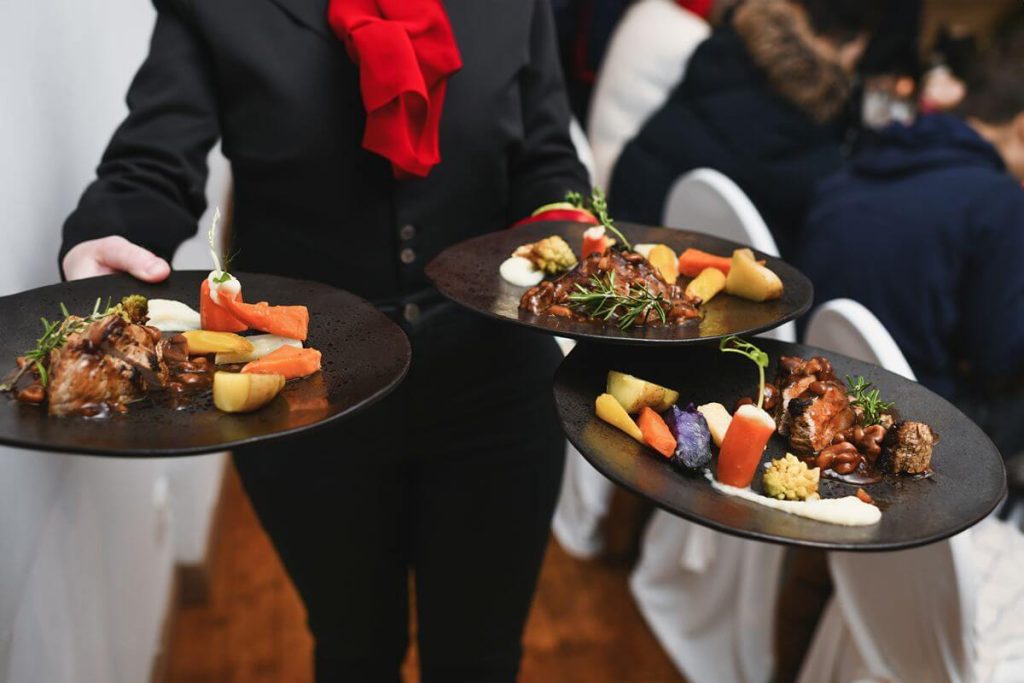
The pacing of a three-course meal shapes how guests experience the wedding feast. A well-planned menu gives everyone enough time to enjoy each dish without interrupting the celebration’s flow. Start by mapping out the reception program, including cocktail hour, speeches, the couple’s first dance, and other special moments. Coordinate the serving schedule with these activities so guests enjoy their meals without missing key moments.
The sequence of dishes also matters. Each course should complement the next in both flavor and portion size. For instance, a light appetizer prepares the palate for a hearty main course, while a refreshing dessert offers a pleasant finish.
Build Course by Course
A standard three-course wedding menu sequences an appetizer, main course, and dessert to build a cohesive meal. Curating this menu requires balancing flavor profiles, portion sizes, and presentation to reflect the couple’s vision while delivering a satisfying dining experience for guests.
- Appetizer: Start with something light and inviting to awaken the palate without filling guests before the main course. Fresh salads, seafood starters, and delicate soups offer a pleasant introduction to the meal.
- Main Course: As the centerpiece of the dining experience, the main course should offer satisfying portions and well-balanced flavors. Choose a primary protein such as beef, chicken, or fish, then pair it with a suitable starch and seasonal vegetables.
- Dessert: End the meal on a sweet note with a plated dessert that complements the earlier courses. Options such as chocolate creations, fruit-based desserts, or traditional Filipino sweets add variety to the dining experience.
Account for Dietary Restrictions
Dietary restrictions deserve attention when planning a wedding menu because every guest should feel welcome and safe at the table. Food allergies, medical needs such as celiac disease, religious dietary practices, and personal preferences all affect what guests can eat.
Asking about requirements early, ideally during the RSVP process, and sharing them with the caterer gives the kitchen time to plan suitable alternatives, confirm ingredients, and address cross-contact risks for severe allergies or gluten-free needs.
Maintain course cohesion by integrating adaptable dishes that accommodate dietary needs without compromising quality. Main courses should feature a substantial, clearly labeled vegetarian entrée—such as protein-rich tofu or a hearty roasted vegetable stack paired with satisfying sides. For gluten-free appetizers, ensure the caterer strictly verifies kitchen preparation protocols to prevent cross-contamination for guests with celiac disease.
Schedule a Tasting
A food-tasting session turns your proposed wedding menu into a firsthand dining experience. Schedule the appointment at least three to four months before the wedding to leave enough time for adjustments and final selections. Instead of relying on general impressions, prepare specific feedback on flavors, portion sizes, presentation, and ingredients.
Treat the tasting as a collaborative session with your caterer. Review the proposed menu beforehand and note any dishes that need adjustments. During the appointment, assess each course’s flavor, serving temperature, plating, and garnish. Consider how the dishes will feel in an actual reception setting, where guests enjoy their meals while conversations, speeches, and other festivities unfold.
What to Expect During a Wedding Catering Food Tasting
During the 1–2 hour structured tasting, your caterer will present sample dishes, outline ingredient selections, and walk you through service arrangements. Use this session to refine your menu before finalizing choices—evaluating course sequences, adjusting portion sizes and seasoning, detailing plating styles, and aligning dietary accommodations or garnish aesthetics with your venue logistics and wedding vision.
Who Should Attend
Keep the food-tasting group small and focused to make decisions easier and feedback more consistent. The couple should attend, along with anyone directly involved in menu selection or contributing to the wedding budget. While family members may have valuable opinions, inviting too many people often leads to conflicting preferences and makes it harder to preserve the couple’s vision for the reception.
A smaller group encourages more productive discussions and quicker decisions. Parents may offer insights into family preferences and traditional dishes, while the wedding planner or stylist can assess how the menu complements the overall reception concept.
What to Bring and Do
Come prepared with essential wedding details to make the food-tasting session more productive. Bring a copy of the reception timeline, venue specifications, and a list of guests’ dietary requirements. Organize dietary restrictions by guest name or table number to make coordination easier. Keep a notebook or digital document for recording feedback, and photograph each dish from different angles to document its presentation and plating.
Use the session to clarify practical details with your caterer. Ask about serving portions, ideal food temperatures, and how dishes will be presented during the reception. Discuss contingency arrangements for last-minute changes in guest count and confirm how the catering team handles special meal requests.
Taste and Personalize Your Wedding Menu with Juan Carlo
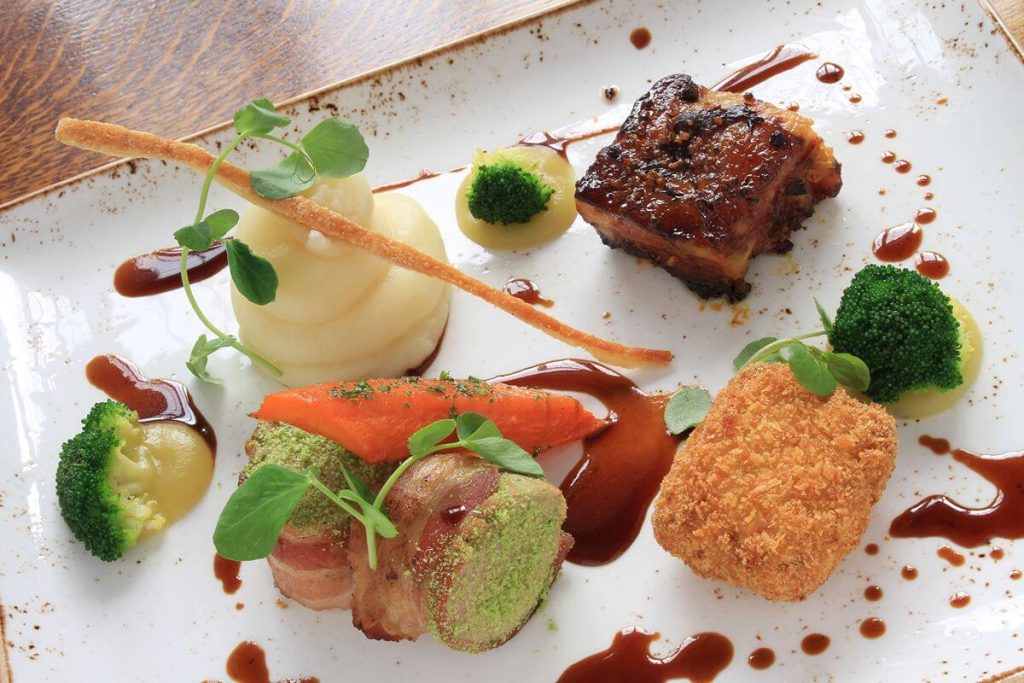
At Juan Carlo, we believe a wedding menu should reflect each couple’s personalities, preferences, and cultural backgrounds while giving guests a memorable dining experience. We offer customizable catering packages and a wide selection of dishes to help couples create a three-course meal that complements their wedding theme and reception requirements.
Offering dishes across 17 global cuisines, our wedding packages allow couples to blend traditional Filipino favorites with international flavors. Our culinary team works closely with you to curate a tailored menu, seamlessly integrating family food traditions and personal dining memories into an authentic, memorable feast.
Key Takeaway
A memorable wedding feast is defined not by the number of dishes served, but by how carefully you select each one. Knowing how to choose a standard 3-course meal for wedding catering means recognizing that every course shapes how guests experience the celebration. Let your menu reflect your story, welcome different preferences, and bring everyone together around the table.
Create a wedding dining experience that reflects your love story with Juan Carlo. Contact us to explore our wedding catering services.